Nursery school from 2 to 5 years: the cycle of early learning — cycle 1
The French nursery school: a first ambitious school, attentive to the development, needs and well-being of young children.
A school that adapts to the needs and developmental paces of each pupil
A school that organises specific learning arrangements
Learning by thinking and solving practical problems
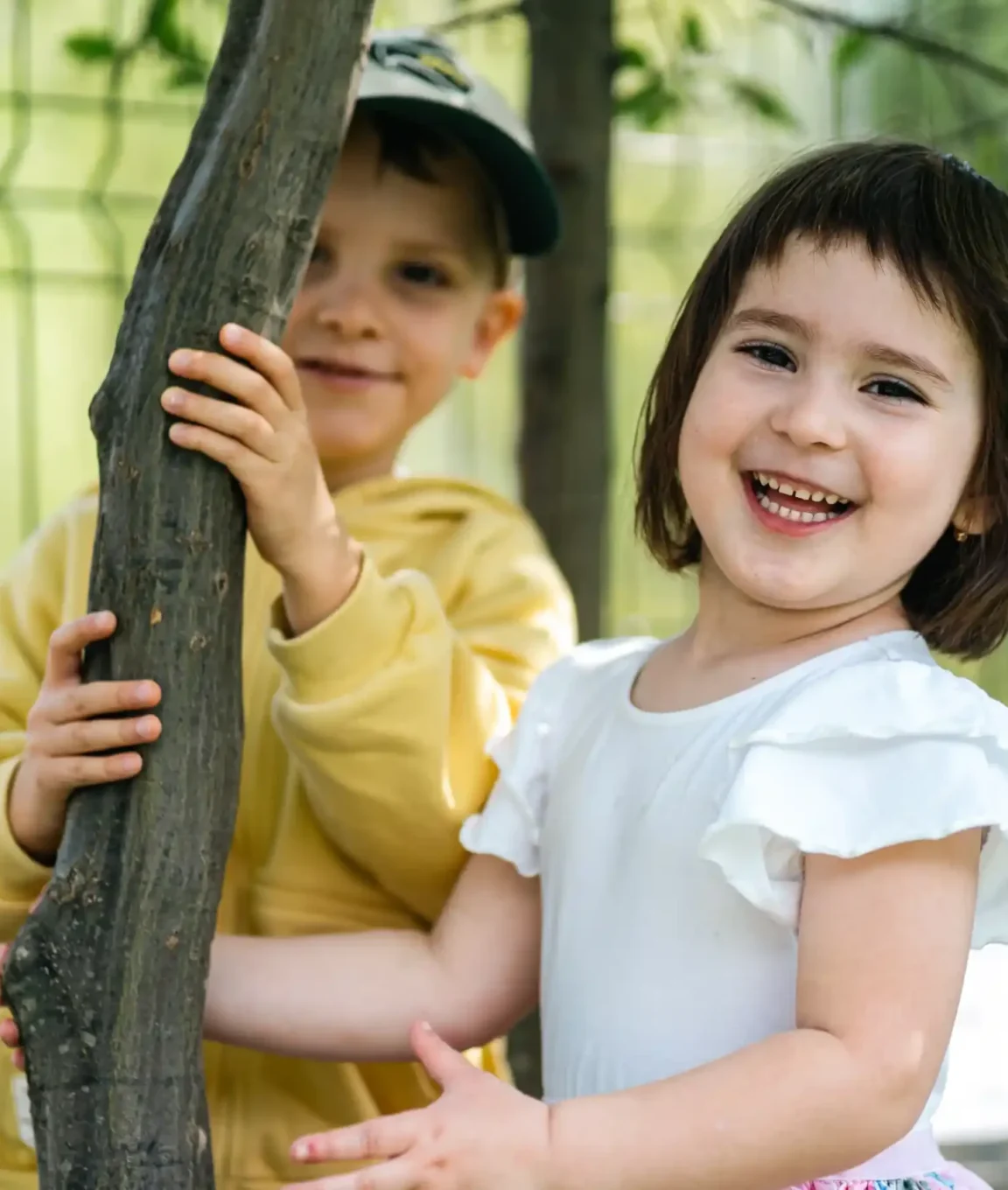
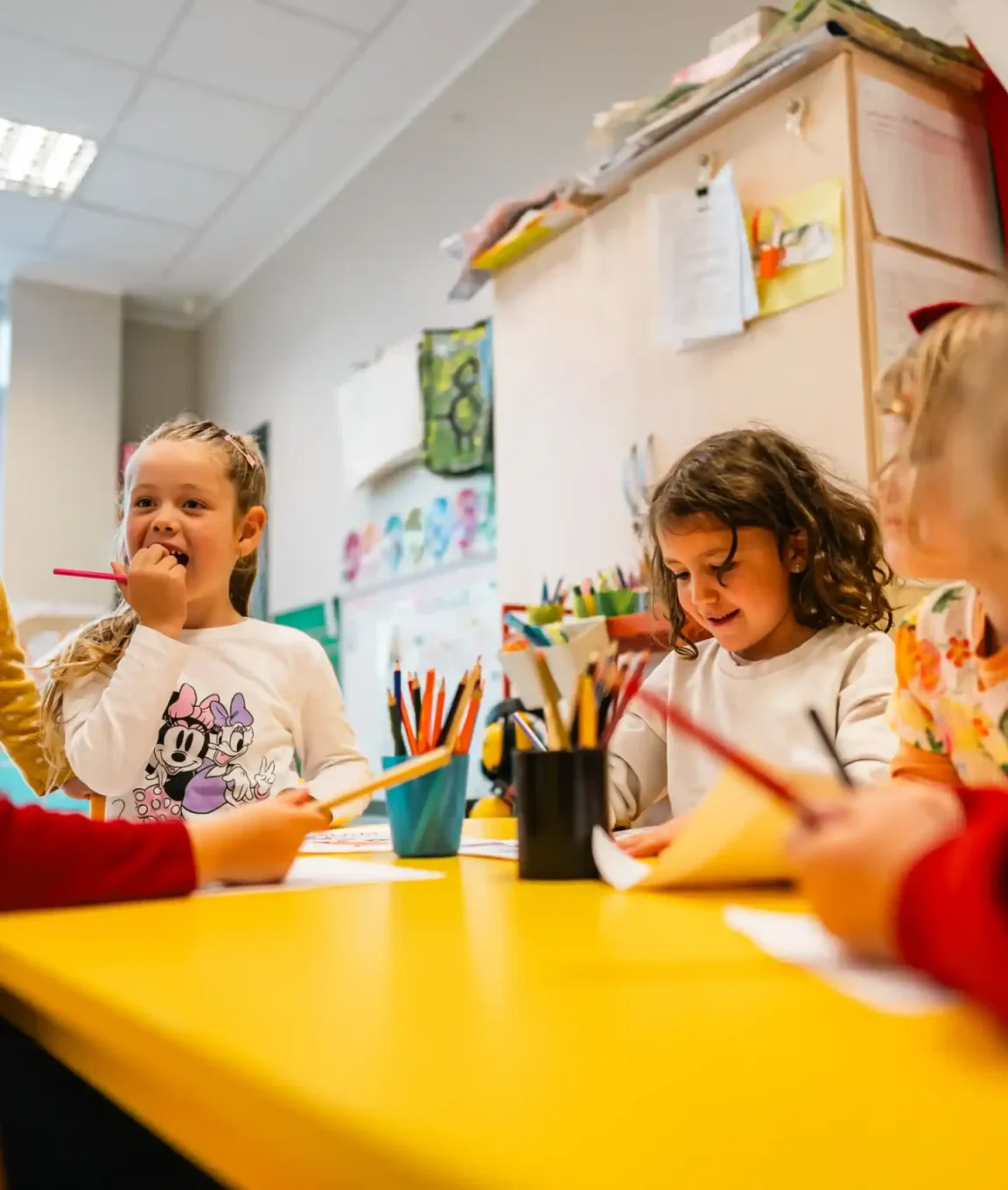
A school where children learn and live together
One of the specificities of the French system is that it provides education for children from the age of two. This is the first cycle of primary school, the early learning cycle, consisting of:
20
The classes are of about 20 pupils.
Nursery class
From the age of 2
Petite Section (PS, age 3)
The year they turn three
Moyenne Section (MS, age 4)
The year of turning four
Grande Section (GS, age 5)
The year of the 5th birthday
A day
in nursery school
Monday, Tuesday, Thursday and Friday
8:20
Entry to the premises
8:30
Start of lessons
3:20 pm
End of classes
3:30 pm › 5:30 pm
After-school care
On Wednesdays, lessons finish at 11:50 and the after-school club looks after the children from 12:00 until 17:30.
early years foundation stage
The six areas of learning
01
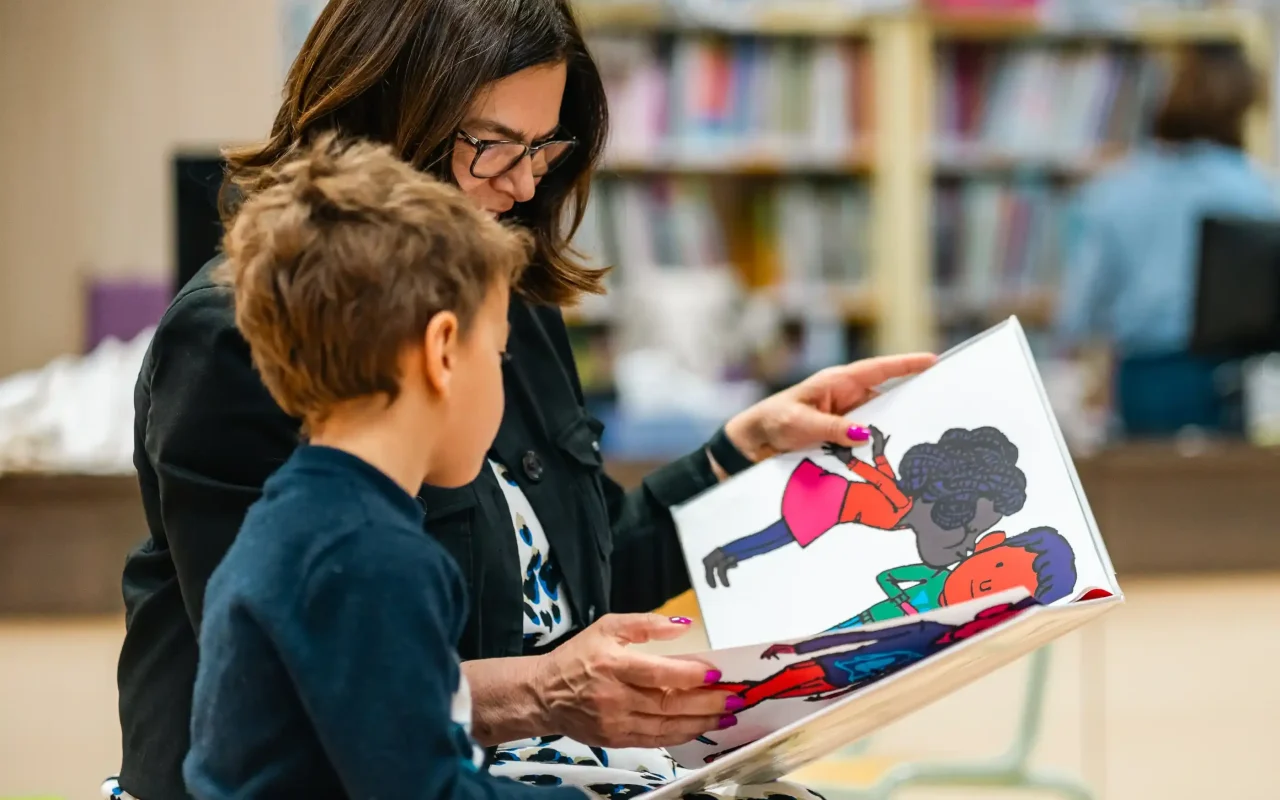
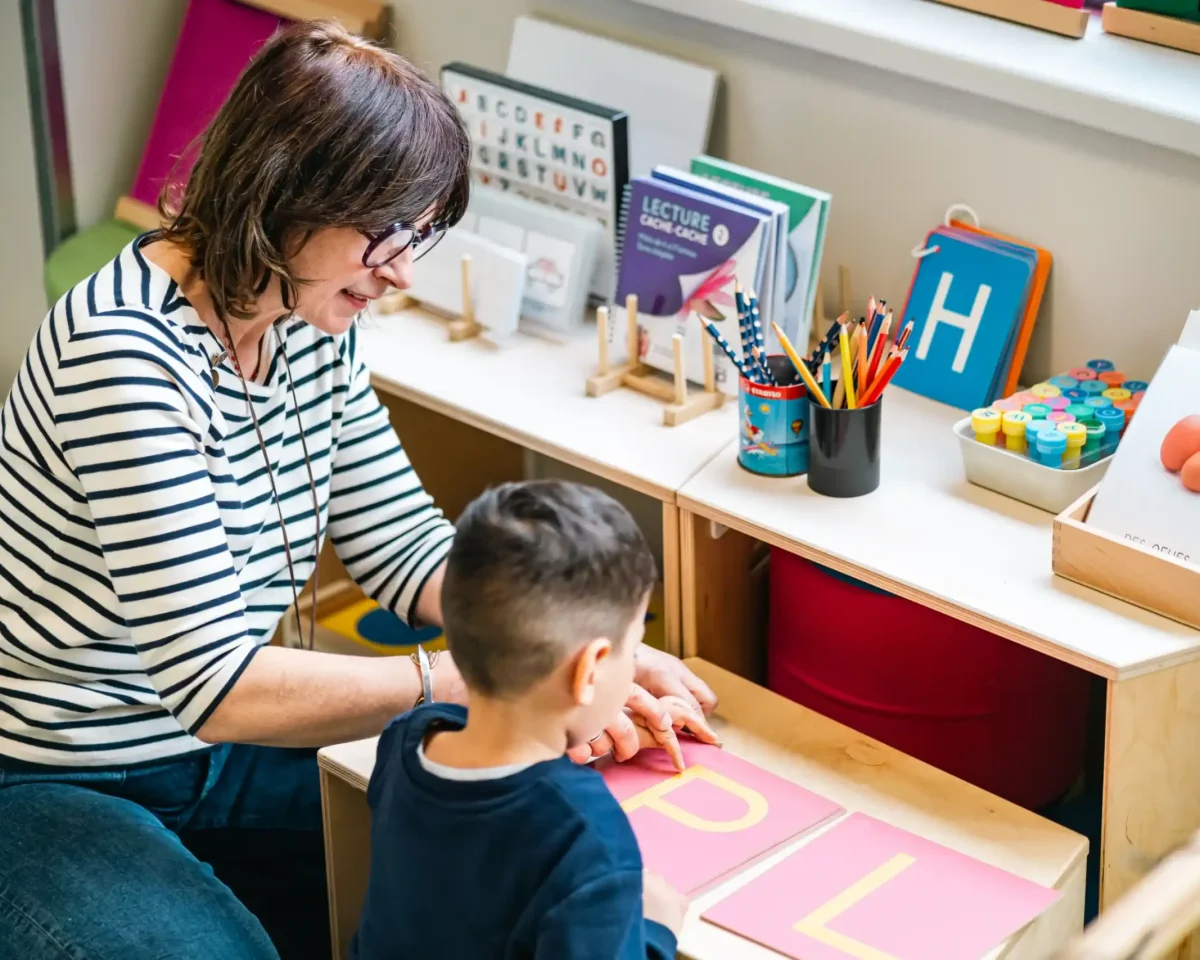
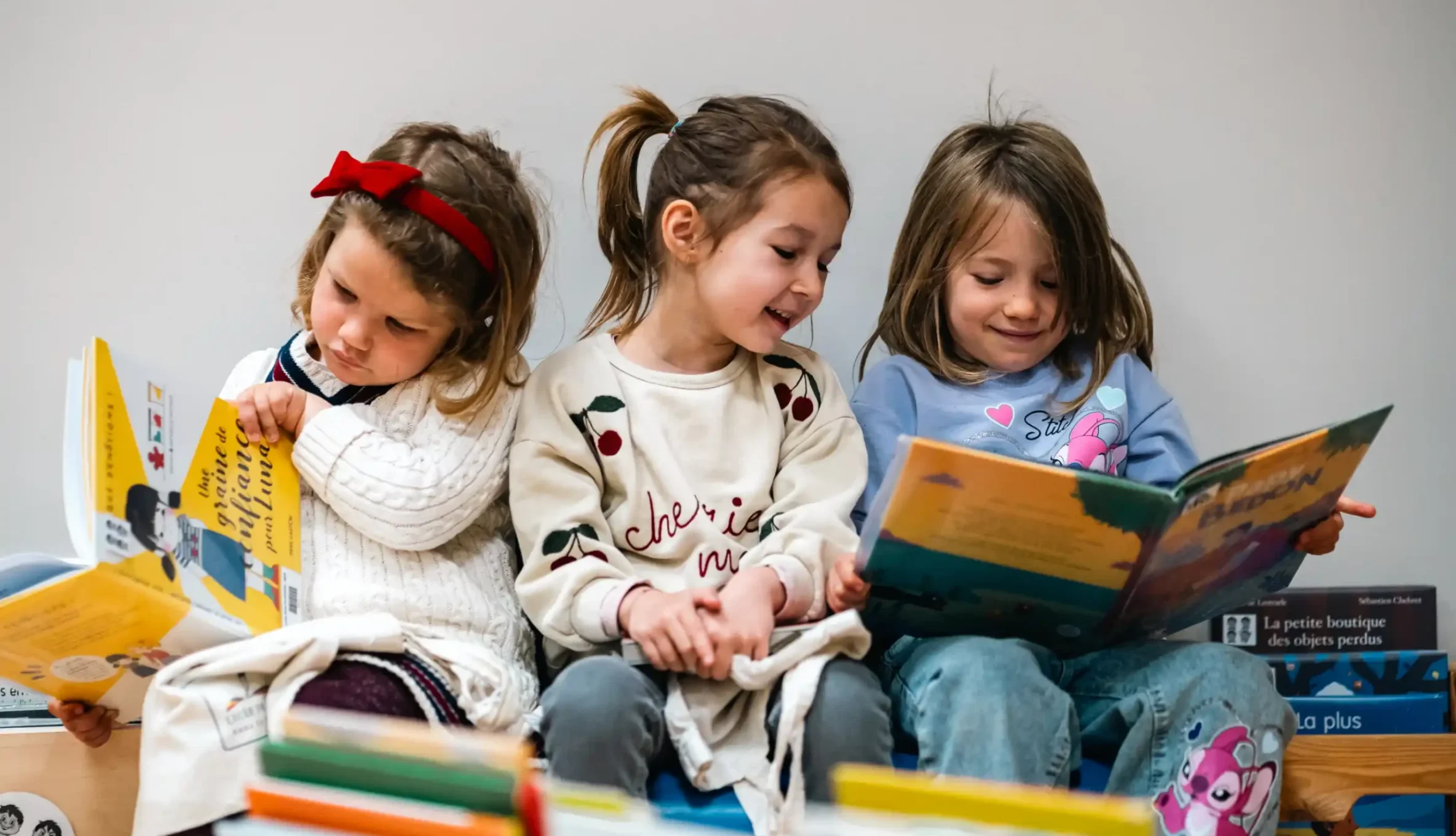
The development and structuring of spoken and written language
02
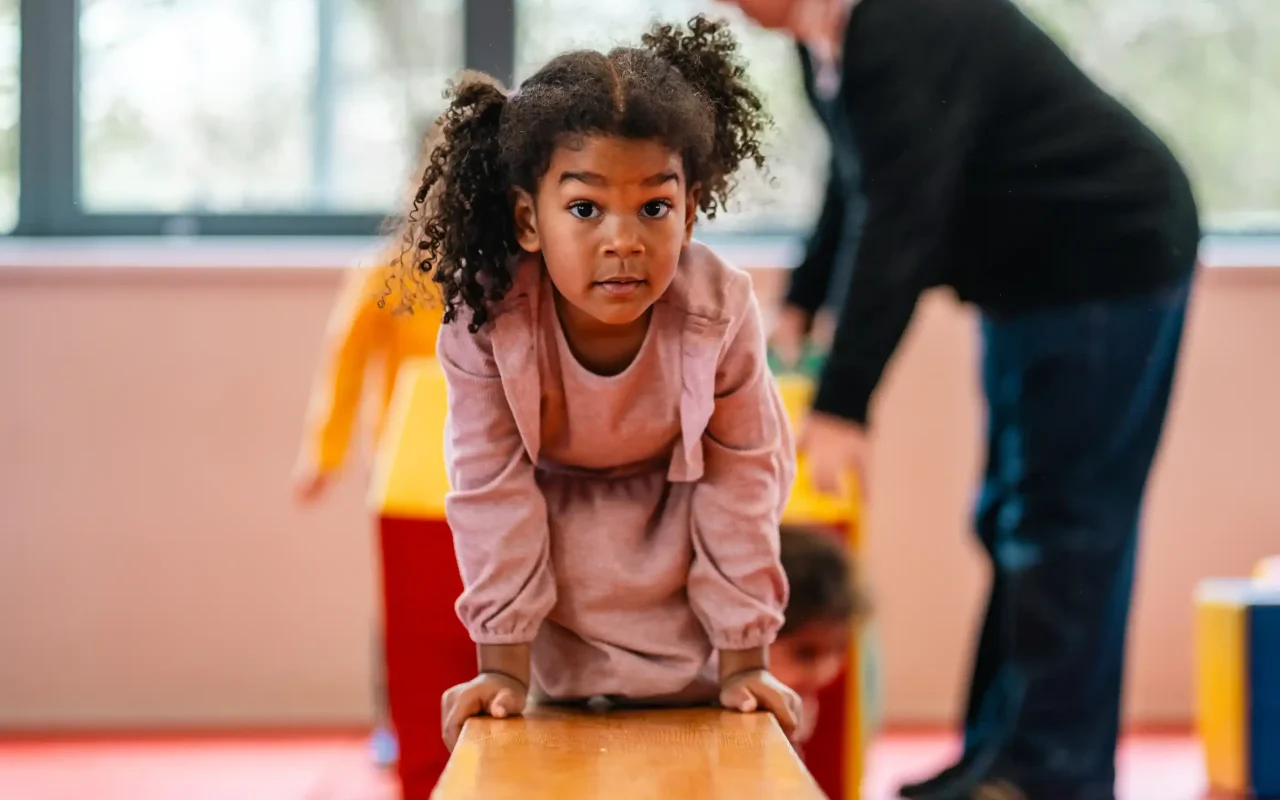
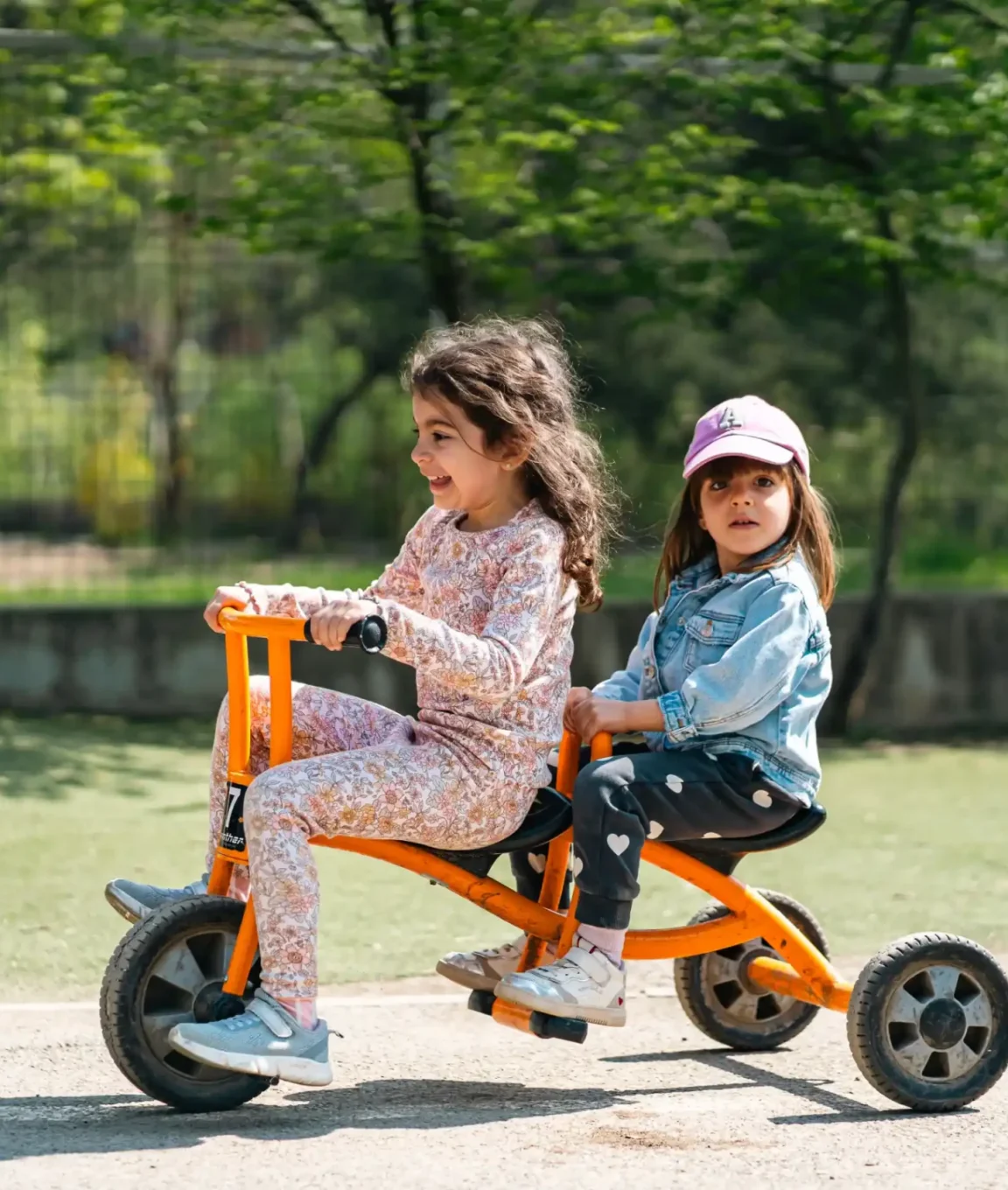
Act, express and understand through physical activities
03
Acting, expressing yourself, and understanding through artistic activities
04
The acquisition of the first mathematical tools
05
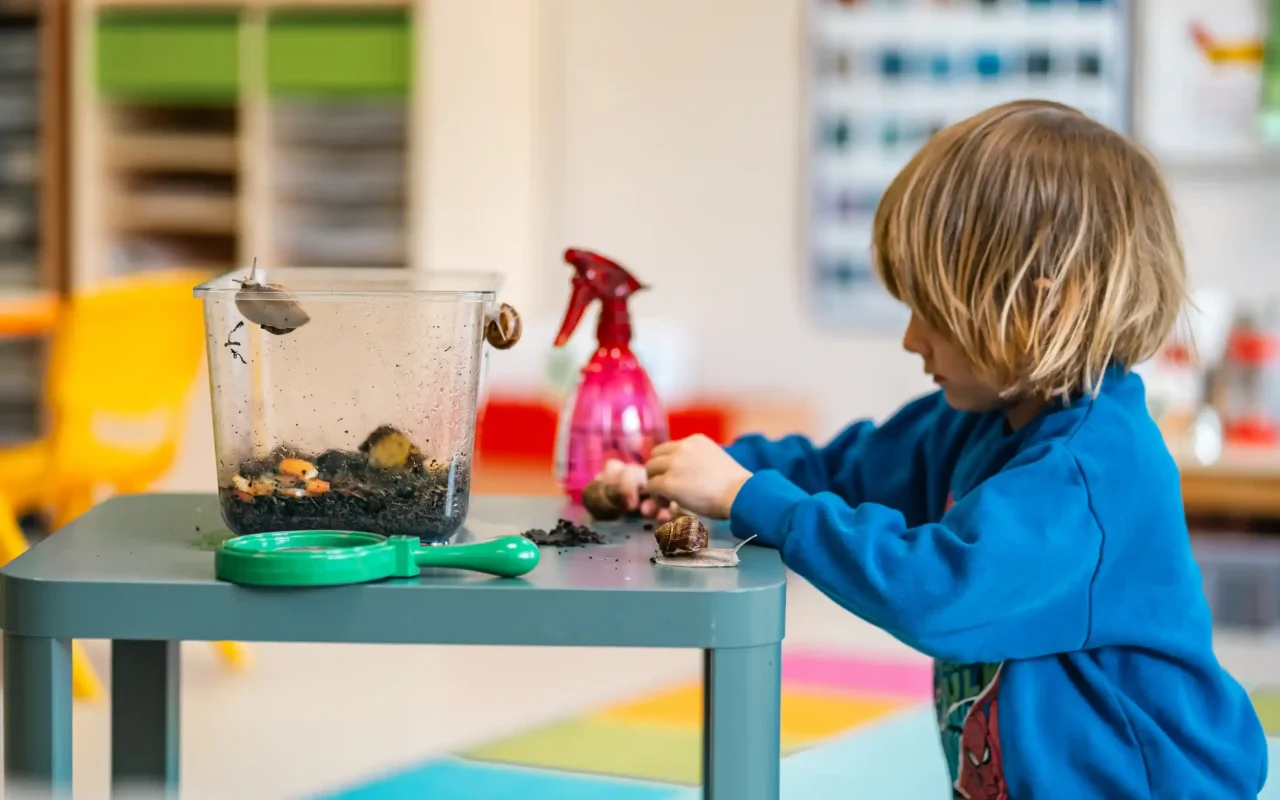
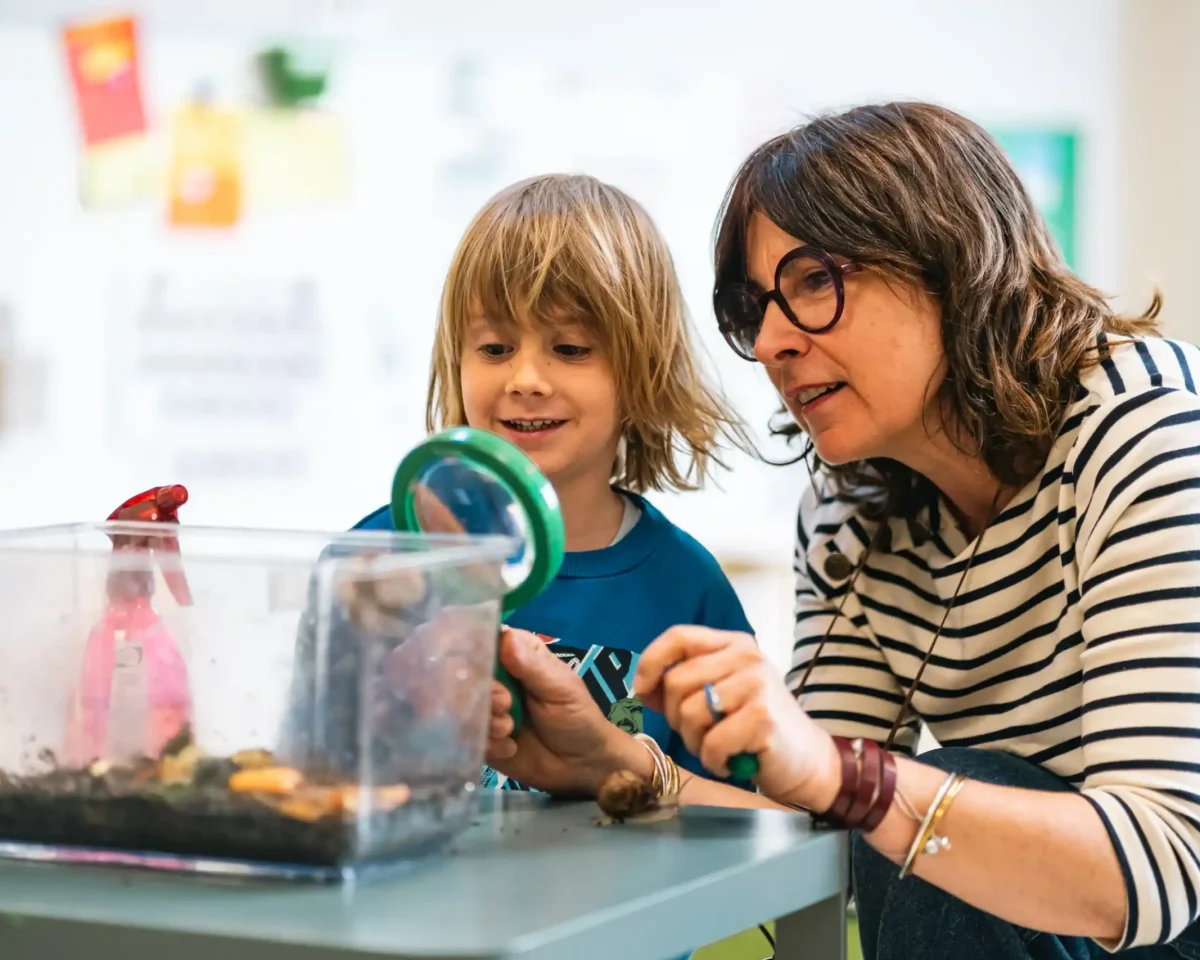
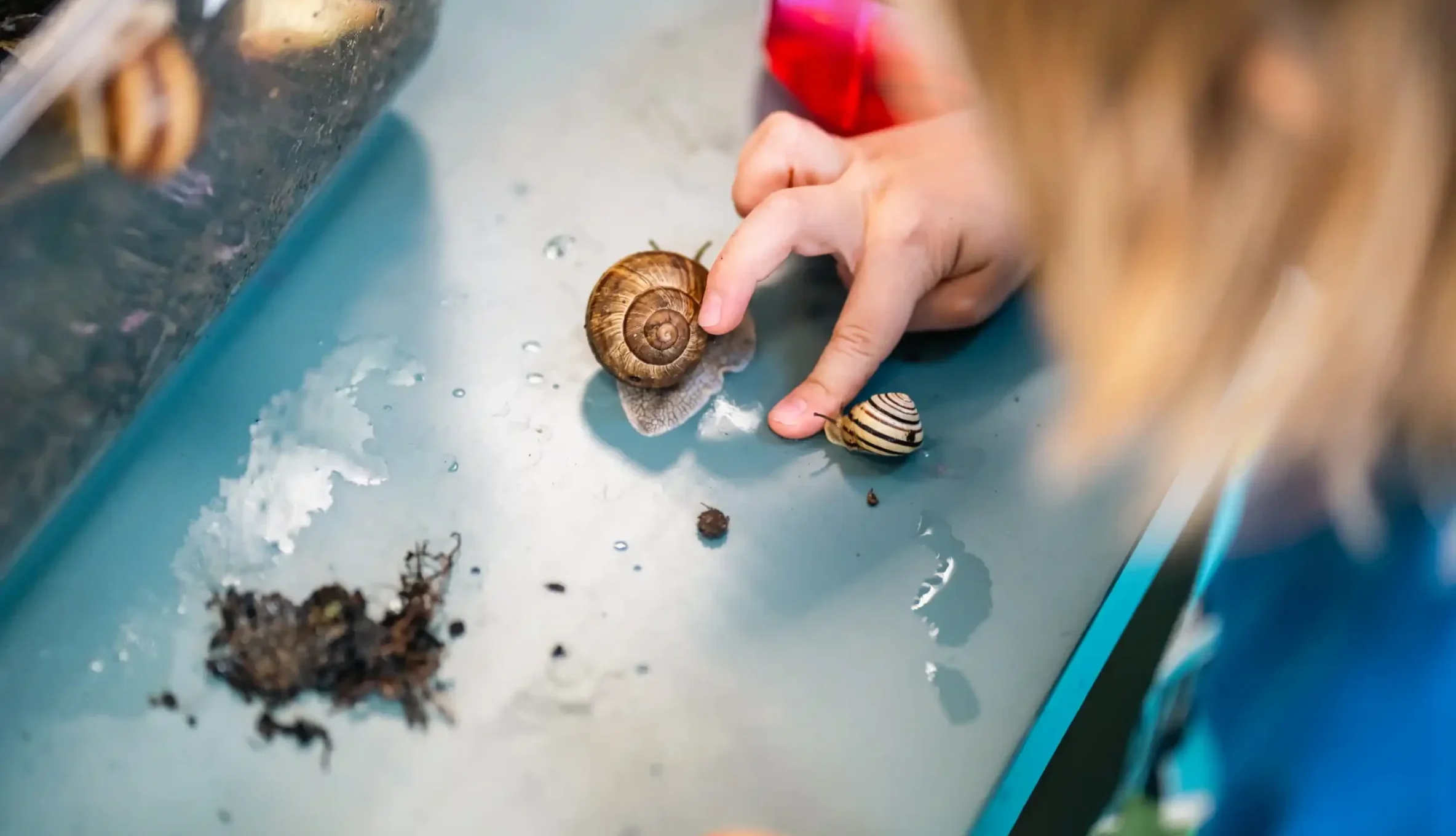
Exploring the world of living things, materials and objects
06
Orientation in time and space
The evaluation
It is based primarily on daily observation of the child. The pupil acquires skills at their own pace, distributed across the six areas of learning over the course of the cycle. The pupil is involved in the assessment and completes their «Achievement Record».
All children are capable of learning and making progress.
The classroom constitutes a learning community that establishes the foundations for building citizenship that is respectful of rules and open to the plurality of the world's cultures.
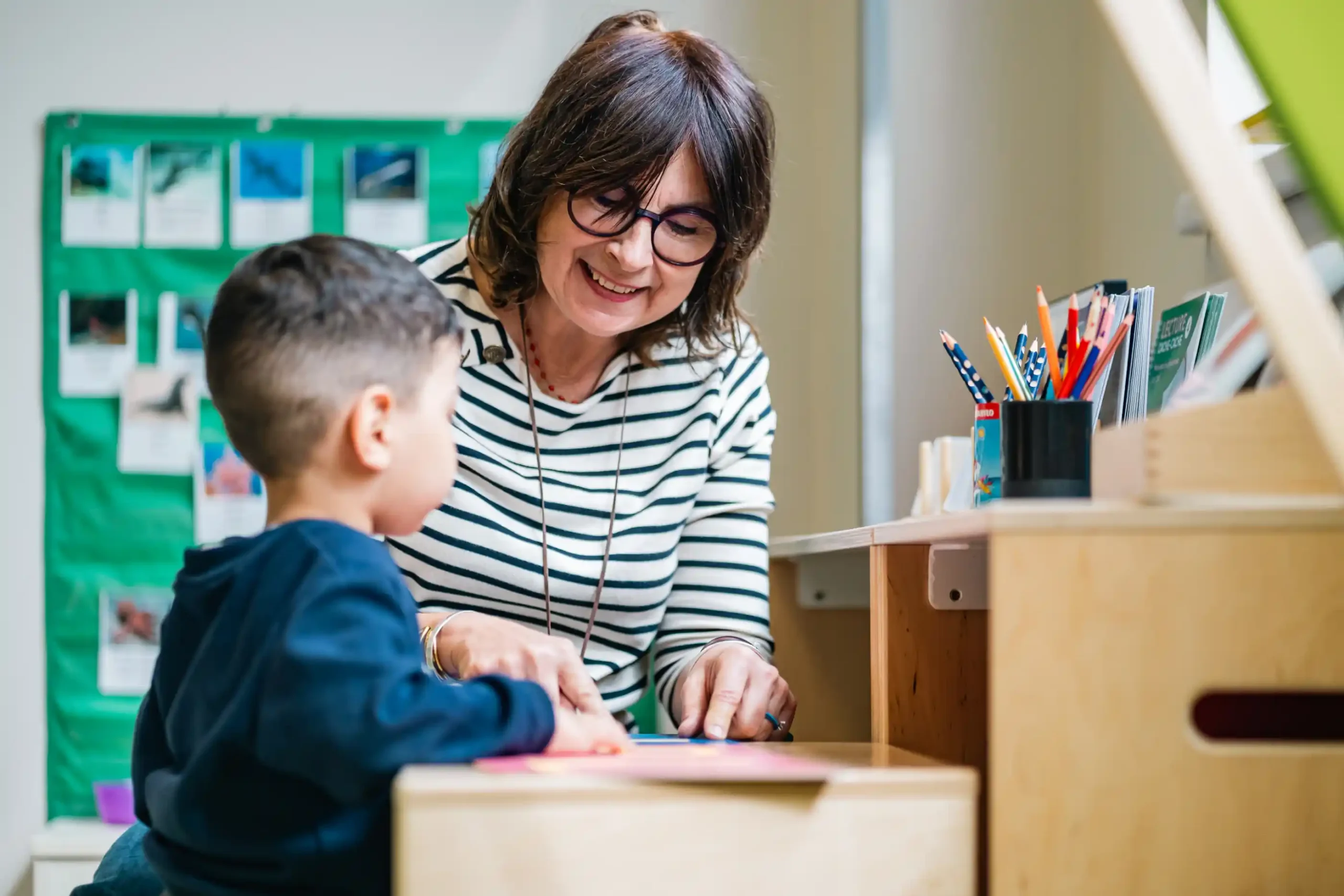
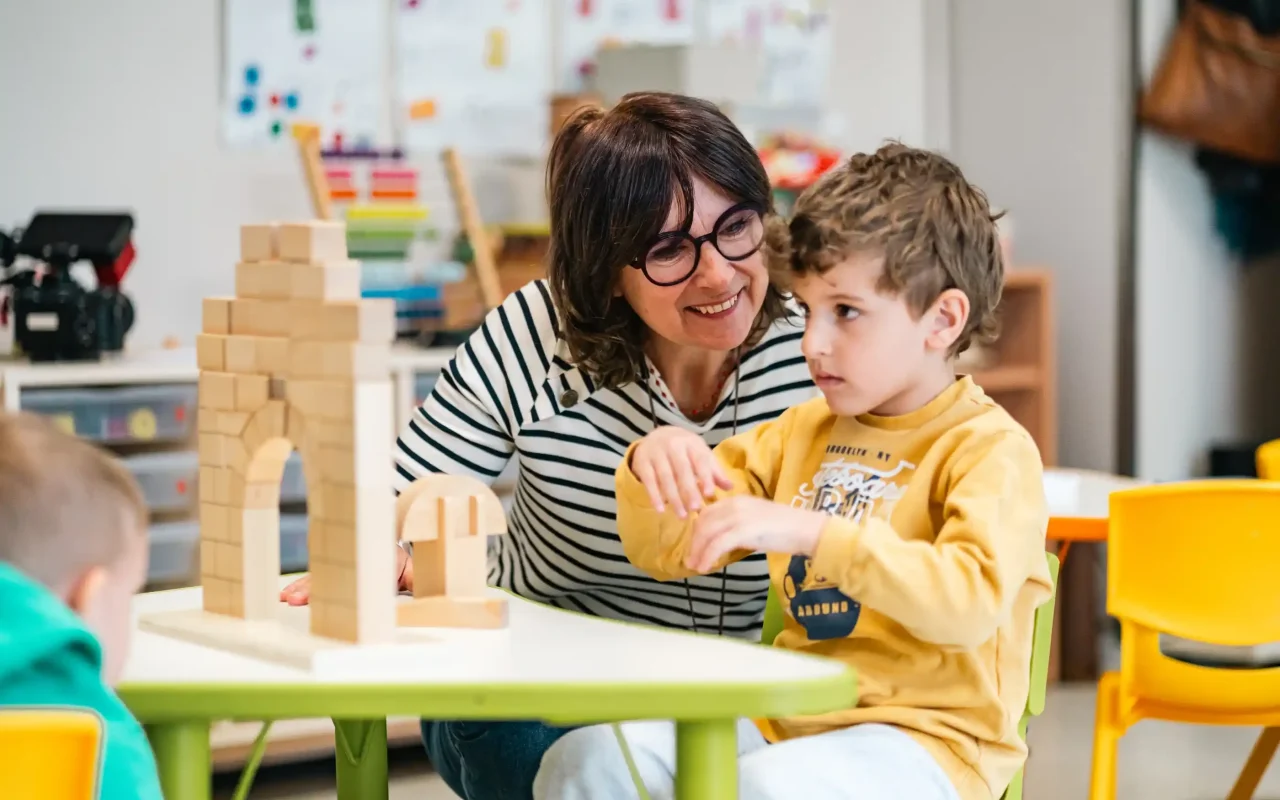
Teachers set up diverse learning situations in their classrooms, structured around precise pedagogical objectives. They design them according to the needs of each pupil and the class group, taking into account the children's cognitive development.
Learning through play
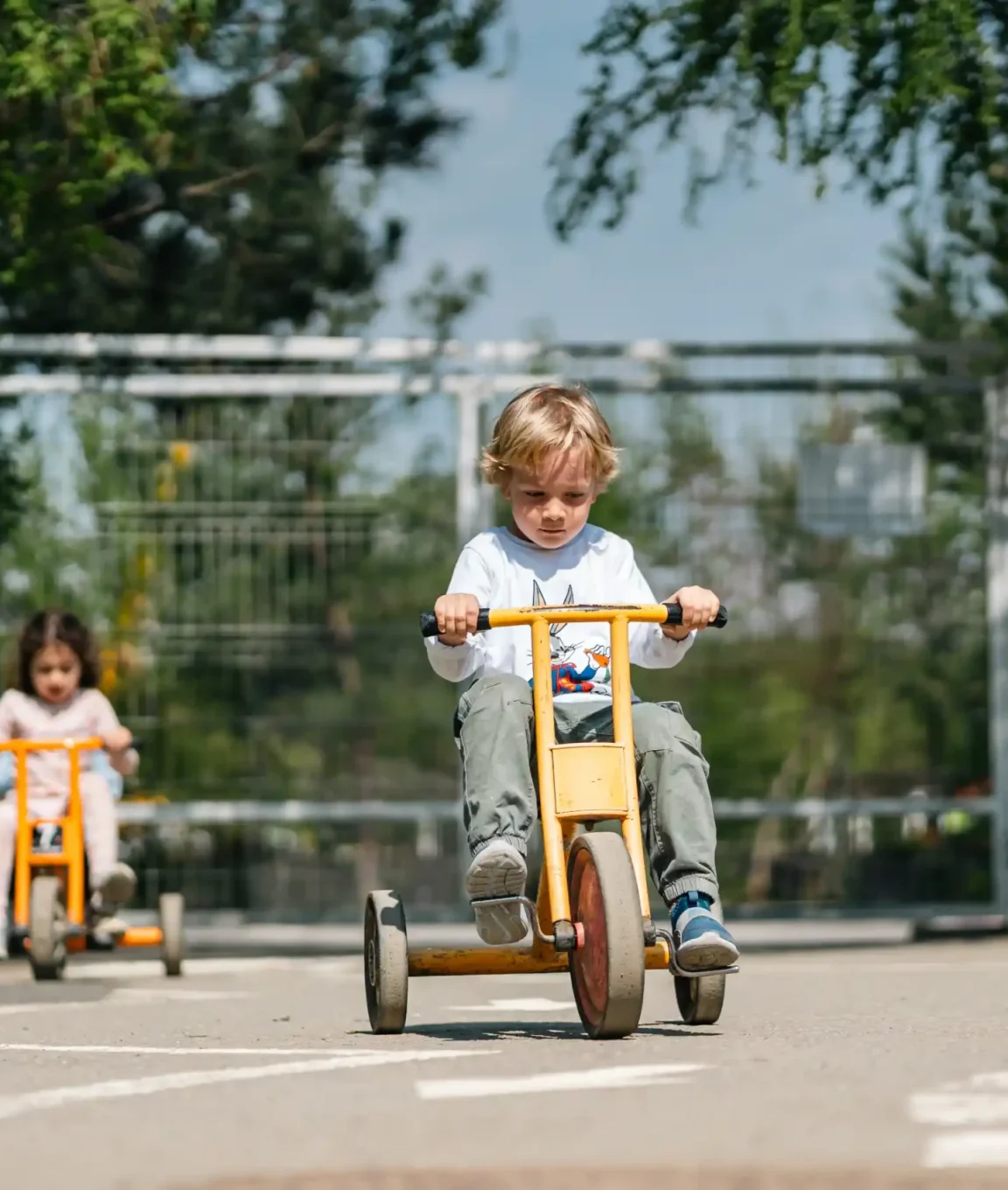
Play promotes the richness of pupils' experiences throughout the cycle. It concerns all areas of learning and enables pupils to exercise their autonomy, to act upon reality, to develop their imagination, to engage in motor behaviours and to experiment with various rules and social roles.
Learning by practice
Young children's learning takes place over a long period and their progress is rarely linear. It often requires a period of familiarisation, which may involve either repeating known processes or discovering new situations. Stabilising these skills requires numerous repetitions under varied conditions.
Learning by memorising
From the very first year of life, children rely heavily on what they perceive of their environment through all sensory information. Physical and artistic activities, because they engage the body, contribute to the development of attentional and memorisation skills.
Learn together
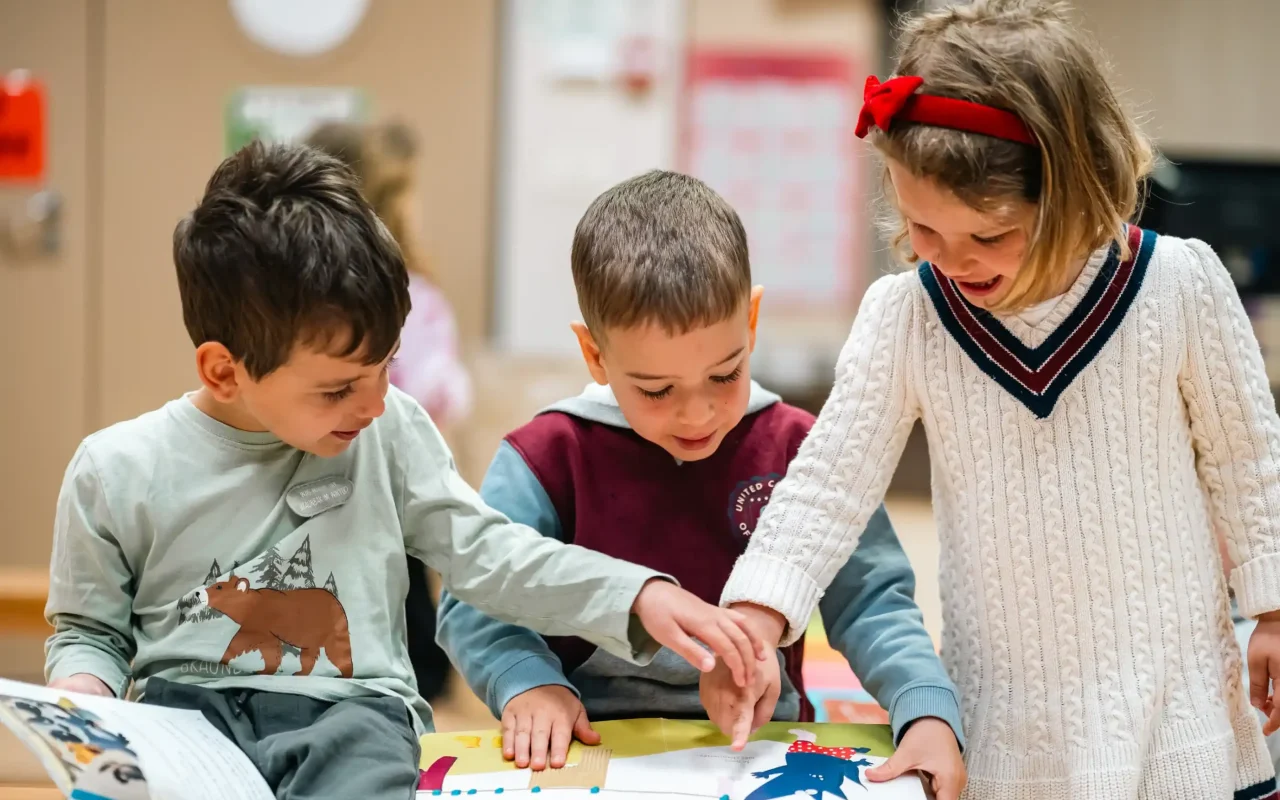
In nursery school, teachers design learning situations that enable the child to learn within a group that forces them to give up their immediate desires (doing something or paying attention at the same time as others, taking into account group instructions, etc.). Teachers encourage pupils to cooperate, to engage in effort, and to persevere through their encouragement and the help of their peers.
The team
The nursery team
8
classes
1
class teacher
9
ASEM
In pictures
Nursery school in pictures
From nursery school to A-levels
Continuity of schooling up to final year (Terminale)
We use cookies to ensure that we give you the best experience on our website. If you continue to use this site we will assume that you are happy with it.